
How to Administer Peptides Safely and Effectively

Peptides have gained significant attention in recent years for their potential benefits in various fields, including health, fitness, and anti-aging. However, with their rising popularity comes the need for proper administration techniques to ensure safety and effectiveness. This blog post will guide you through the essential steps for administering peptides, focusing on best practices, safety measures, and practical tips.

Understanding Peptides
Before diving into administration techniques, it's crucial to understand what peptides are. Peptides are short chains of amino acids that play vital roles in biological functions. They can stimulate hormone production, enhance muscle growth, and improve recovery times. Commonly used peptides include:
Growth Hormone Releasing Hormone (GHRH): Stimulates the release of growth hormone.
Insulin-like Growth Factor (IGF-1): Promotes muscle growth and recovery.
Melanotan II: Used for tanning and appetite suppression.
Understanding the specific peptide you are using is essential for effective administration.
Preparing for Administration
Consult a Healthcare Professional
Before starting any peptide regimen, consult with a healthcare professional. They can provide personalized advice based on your health history and goals. This step is crucial for ensuring that you choose the right peptide and dosage.
Gather Necessary Supplies
To administer peptides safely, you will need the following supplies:
Syringe and Needle: Choose the appropriate size based on the injection site and peptide type.
Alcohol Swabs: For disinfecting the injection site and vial.
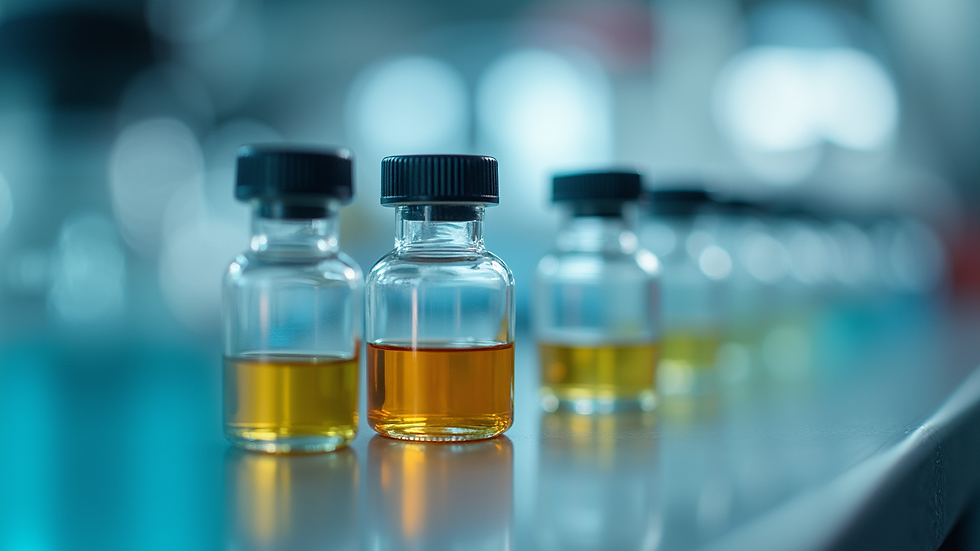
Peptide Vial: Ensure it is stored correctly and not expired.
Sharps Container: For safe disposal of needles.
Understand Dosage and Timing
Each peptide has a recommended dosage and timing for administration. Follow the guidelines provided by your healthcare professional or the product label. For example, some peptides may require daily injections, while others may be administered less frequently.
Administration Techniques
Subcutaneous Injection
Subcutaneous injections are the most common method for administering peptides. Here’s how to do it safely:
Choose the Injection Site: Common sites include the abdomen, thigh, or upper arm. Rotate sites to avoid tissue damage.
Clean the Area: Use an alcohol swab to disinfect the injection site.
Prepare the Syringe: Draw the appropriate dosage into the syringe. Remove any air bubbles by tapping the syringe and pushing the plunger slightly.
Inject the Peptide: Pinch the skin to create a fold, insert the needle at a 45-degree angle, and inject the peptide slowly.
Dispose of the Needle: Place the used needle in a sharps container immediately after use.
Intramuscular Injection
Some peptides may require intramuscular (IM) injections. Follow these steps:
Select the Injection Site: Common sites include the deltoid (shoulder) or gluteus (buttock).
Clean the Area: Disinfect the injection site with an alcohol swab.
Prepare the Syringe: Draw the peptide into the syringe and remove air bubbles.
Inject the Peptide: Insert the needle at a 90-degree angle and inject the peptide quickly and steadily.
Dispose of the Needle: Safely dispose of the needle in a sharps container.
Safety Measures
Monitor for Side Effects
After administering peptides, monitor for any adverse reactions. Common side effects may include:
Injection site reactions (redness, swelling)
Nausea
Headaches
If you experience severe side effects or an allergic reaction, seek medical attention immediately.
Store Peptides Properly
Proper storage is crucial for maintaining the efficacy of peptides. Most peptides should be stored in a refrigerator and protected from light. Always check the expiration date before use.
Follow Legal Guidelines
Ensure that you are aware of the legal status of peptides in your country or region. Some peptides may be regulated or require a prescription.
Best Practices for Effective Use
Maintain a Consistent Schedule
For optimal results, administer peptides at the same time each day. Consistency helps maintain stable levels in your system, enhancing their effectiveness.
Combine with a Healthy Lifestyle
Peptides work best when combined with a balanced diet and regular exercise. Focus on:
Nutrition: Consume a diet rich in protein, healthy fats, and carbohydrates.
Hydration: Drink plenty of water to support overall health.
Exercise: Incorporate strength training and cardiovascular workouts into your routine.
Keep a Journal
Tracking your peptide usage, dosages, and any side effects can help you and your healthcare provider make informed decisions about your regimen. Note any changes in your health or fitness levels to assess the effectiveness of the peptides.
Conclusion
Administering peptides safely and effectively requires careful preparation, adherence to best practices, and ongoing monitoring. By following the guidelines outlined in this post, you can maximize the benefits of peptides while minimizing risks. Always consult with a healthcare professional to tailor your approach to your individual needs. Remember, the key to success lies in consistency, a healthy lifestyle, and informed decision-making.
Take the next step in your peptide journey by educating yourself further and consulting with professionals who can guide you on your path to optimal health and wellness.

Comments